


This diet will help you succeed in your cutting phase
Let me tell you - every real winner knows this struggle: weeks of strength training and your muscles are growing, but you still look "soft" and undefined? At this point in training, many athletes, especially bodybuilders, begin their muscle definition phase. But not only in bodybuilding is a meal plan important for a successful cutting phase with fat loss. A plan tailored to you and the right training form the basis for your cutting phase.
Cutting phase and nutrition: What is the goal of the cutting phase?

The main goal of the 6 to 12-week cutting phase is to define the previously built-up muscles by making them visible. During muscle building, the body often also stores fat, which can overlay and thus hide the muscle mass. And we don’t like that!
Especially during this time, they want to reduce fat in the subsequent cutting phase as well as preserve and define the muscles . Simultaneous fat loss while preserving muscle can be quite easily implemented in the cutting phase with the right nutrition and training plan — and we will explain how.
What can you eat during the cutting phase?
During the cutting phase, your diet should include foods that provide you with healthy fats, proteins, complex carbohydrates as well as vitamins and fiber. These include fish, meat, and dairy products, nuts, legumes, as well as low glycemic index (GI) fruits and vegetables such as berries, broccoli, or cauliflower.
Cutting phase and nutrition: Proteins

Proteins are especially essential in your diet during the cutting phase to preserve your muscle mass. They provide you with amino acids, which your body cannot produce itself and therefore must be obtained through food. If one of these amino acids is missing, the body takes it from the muscles so that it can continue to function optimally. However, this leads to muscle loss, which you want to avoid during the cutting phase.
So make sure to get proteins from different sources to optimally supply your body with all essential amino acids . On top of that: Proteins can help you stay full longer,[1] so that you do not suffer from cravings despite a slight calorie deficit during your cutting phase diet. You can find proteins in, for example:
- Fish, meat, eggs, and dairy products
- Legumes
- Protein supplements such as protein shakes
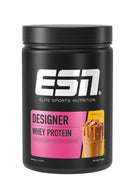
If your diet does not provide enough protein, you can incorporate high-protein products into your cutting phase diet, such as ESN Designer Whey Protein or vegan alternatives such as ESN Vegan Designer Protein .
Cutting phase: Meal plan with healthy fats

The bad reputation of fats may partly be nothing more than an urban legend, because despite their partially bad reputation, fats are essential for the body. Especially unsaturated fatty acids, including omega-3 fatty acids, play an important role in the cardiovascular system. You can add the following healthy fat sources to your cutting phase meal plan:
- Fatty fish such as salmon and cod
- Oils such as linseed and olive oil
- Nuts, seeds, and kernels, including walnuts as well as pumpkin and sunflower seeds
Bodybuilding calls for complex carbohydrates

Carbs for the win: You also need a certain amount of carbohydrates so that your metabolism can function optimally. Carbohydrate-rich foods such as fruits and vegetables also provide vitamins and minerals that you should not give up. However, during the cutting phase, make sure to choose foods with a low GI so that your blood sugar remains stable. This also reduces potential cravings and performance drops that can be associated with a falling blood sugar level.[2] Furthermore, insulin can inhibit fat burning, which can hinder your cutting goals.
These foods are suitable for your cutting phase meal plan:
- Whole grain and rice products
- Salads and vegetables
- Low to medium GI fruits, e.g., berries, cherries, or dried fruit
Calorie requirements during the cutting phase

Counting Calories like a Pro: If you consumed slightly more calories during muscle building to support muscle growth, you must reduce your calorie intake for muscle definition .Similar to the bulking phase, you should subtract 200 to a maximum of 500 calories from your calculated daily calorie requirement. This way, you should lose approx. 500 grams per week or a maximum of 2 kilograms per month in body weight during your diet. Watch out: An excessive calorie deficit from dieting can impair your metabolism in the long term, which is why a maximum of 500 fewer calories is recommended in your diet during the cutting phase.
Nutrition during the cutting phase: Design your Pro meal plan
Complex carbohydrates, healthy fats, plenty of protein, vitamins, and minerals – your meal plan during the cutting phase should include all of this. At the same time, it is important to pay attention to a reduced calorie requirement within your meals. To make planning easier, you can use this sample meal plan as inspiration during the cutting phase:
- Breakfast: Low-fat quark or yogurt with seeds, nuts, or grains, as well as berries
- Lunch: Green vegetables with linseed oil and chicken breast
- Dinner: Sweet potatoes with legumes and fish
- Snacks: Slice of whole grain bread with avocado, cucumber, and tomato
- Before training: Low-fat quark with a banana or a protein shake with all the amino acids your body needs
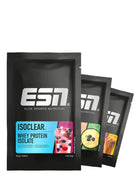
Immediately after training, you can skip food or a meal during the cutting phase to take advantage of the so-called afterburn effect. If, on the other hand, you place special importance on preserving your muscles, a protein source is again suitable, e.g., in the form of a beverage such as ESN ISOCLEAR Whey Isolate, which also supplies your body with sufficient fluids.
Conclusion: This is how you perform in your cutting phase with the right meal plan
Not only in bodybuilding is the right meal plan important for the cutting phase – many amateur athletes also want a defined body. During the 6 to 12-week cutting phase, the goal is to reduce weight in the form of body fat and simultaneously preserve the built-up muscles. For this, the calorie intake is controlled and reduced, and an optimal meal plan for the cutting phase is put together. This should consist of plenty of proteins, complex carbohydrates, healthy fats, vitamins, and minerals . Those who do not get these nutrients through their daily diet can, for example, turn to supplements such as protein shakes or vitamin supplements.

