



The most important things in brief
The ideal time for protein intake: When you consume protein plays less of a role in muscle building. What matters more is that you consume enough protein.
How much protein do you need for muscle building? We recommend consuming 2 g of protein per kg of body weight daily.
Why use protein shakes at all? Protein shakes can be a useful addition to your daily diet, as they offer a practical and efficient way to more easily meet your daily protein requirements, especially after training or during stressful periods when a balanced diet is difficult to maintain.
The ideal time for protein intake
Protein, also known as Eiweiß, is important for the body, but plays a major role especially in muscle building.1 It is therefore understandable that many athletes ask when they should consume their protein: before training, after, or even during? We'll keep it short: whenever you want!
Nevertheless, let's take a closer look at what potentially speaks for and against protein shakes before and after training, and what the anabolic window is all about.
A protein shake before training – is it useful?
The benefits: A protein shake before training can be useful if you need a quick source of protein to support your training – especially during long or intense sessions. Another potential benefit is that essential amino acids are available in the muscles during training. This can support the growth and repair of muscles.1 Even if you train for a long time or on an empty stomach, a protein shake before the workout can help avoid muscle breakdown.1 This is especially important if you are in a calorie deficit.
The disadvantages: Not everyone's body tolerates a protein shake shortly before training. It can cause a feeling of fullness or stomach problems, which could impair performance. Using a protein shake alone as an energy source makes little sense, because the body primarily uses carbohydrates and fats as energy sources during training.2 Protein is therefore less effective when it comes to providing immediate energy. A shake before training could therefore be unnecessary if sufficient carbohydrates are available.
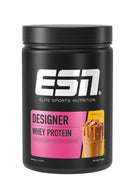
Our tip: If you want to drink a protein shake before training, we recommend our refreshingly clear protein drink Isoclear. For more power during training, you should not only rely on protein, but on the combination of proteins and carbohydrates: proteins are more important for long-term muscle repair and growth, while carbohydrates are quickly converted into energy.1,2 We recommend our Rice Pudding or the Instant Oats in combination with a protein powder such as Designer Whey or Designer Vegan Protein.
A protein shake after training – the miracle cure for muscle building?
Benefits: Immediately after training, the muscles are in a state ready to absorb nutrients, which is often referred to as the "anabolic window". During this phase, the body needs protein to repair and strengthen damaged muscle fibers.1 A protein shake after training quickly makes the required nutrients available. Also, amino acid stores are often depleted after training. A protein shake helps to quickly replenish them and counteract muscle breakdown.1 Another important point is that it can often be difficult to consume a balanced meal immediately after training. A protein shake is quick and easy to prepare, making it a practical alternative.
Disadvantages: If you already consume a balanced meal with sufficient protein after training, an additional shake may be unnecessary. In such cases, your protein requirements are often already met.
Furthermore, some athletes rely too heavily on protein shakes and neglect a balanced diet with natural protein sources. In the long term, the majority of protein should come from whole foods, as they also contain other important nutrients. Protein shakes should therefore be seen as a supplement to a normal, balanced diet.
Our tip: After training, you should provide your body with everything it needs for optimal recovery. We recommend a protein powder such as our Designer Whey or our Post-Workout Drink Recharge, with proteins, a carbohydrate matrix, and other important nutrients.
The anabolic window & muscle building
We already teased it earlier: the anabolic window. This refers to the period after the workout during which the body and muscles are particularly receptive to nutrients and benefit maximally from the intake of protein and important amino acids. For a long time, it was assumed that the anabolic window is quite small and that you must start protein intake within the first 30 min after the workout to build muscle at all. However, newer scientific studies have shown that the anabolic window is significantly larger than previously thought: Researchers Alan Albert Aragon and Brad Schoenfeld found that it is sufficient to consume high-quality protein within 2 to 3 hours after the workout, for example as a high-protein meal or as a shake.3 However, you should also make sure to include some carbohydrates and fats, because your muscles also need them to recover after training.2
Are you still looking for the perfect protein powder for your needs? Then we have exactly the right thing for you:

The current state of research
And what does science say about this? After there was no scientifically based answer for a long time as to whether it is better to drink protein shakes before or after sports, Brad Schoenfeld, Alan Albert Aragon, James W. Krieger, and others scientifically investigated this exact question in 2016. In their study, they divided 21 men into 2 groups who each received a protein shake with 25 g of protein. One group drank the protein shake before training, the other after. All participants also trained according to the same training plan on the same number of days.
The result: The scientists observed no significant differences between the two groups, which is also consistent with the result of an extensive meta-analysis of various studies from 2013.4 Instead, they came to the conclusion that it matters less when you consume protein, but rather that you consume protein at all.1 The crucial thing is that the daily protein requirement is sufficiently met.
How much protein do you need for muscle building?
In addition to the right time, it is especially important how much protein is needed for muscle building.1 Proteins are among the most important macronutrients for the body and contribute to the increase and maintenance of muscle mass.1 The German Nutrition Society (DGE) recommends 0.8 g of protein per kg of body weight for healthy adults to avoid protein deficiency.5 But some experts such as Dr. Peter Attia claim that most people need at least double that – so 1.6 g per kg, to optimally supply the body with protein. For active people who want to build muscle, Attia even recommends 2.2 g per kg.6
We agree with this and recommend you consume 2 g of protein per kg of body weight daily – regardless of your goal or activity level.
Want to know the ideal macro distribution for your personal goal? With our calorie calculator, you can easily, quickly, and according to your personal goal determine your requirements.
Why use protein shakes at all?
Because protein shakes are a convenient and easy way to more easily meet the daily protein requirements. First of all: You DO NOT HAVE TO drink protein shakes to build muscle.
Even though you can basically meet your protein requirements through a conscious and balanced diet, protein shakes can be a useful addition for athletes. Especially after intense training sessions, muscles need quickly available nutrients to regenerate optimally and build up. Protein shakes offer a practical and effective solution here: They deliver high-quality protein that the body can immediately utilize.1
Furthermore, they are time-saving and ideal especially for athletes with a busy schedule. Instead of laboriously preparing meals, you always have a quick source of protein at hand with a shake. Another advantage is the precise dosage: Protein shakes allow you to adjust the protein intake exactly to the individual requirements and the respective training plan.1
Application options for protein powder
Protein shakes are just one way to integrate protein into your diet. Because whey protein in particular can be much more than "just" a shake. For example, you can use whey protein for baking or also mix your protein powder into your quark or yogurt for breakfast. Want to consume your protein in the morning with coffee? That is also possible, e.g. with protein coffee. You see, integrating whey protein into your everyday life is not difficult at all. We recommend you distribute your protein intake throughout the day, so you also easily meet your protein requirements. Whether you then prefer the protein shake preparation time before or after sports or even both, is entirely up to you.
Conclusion: Protein shake before or after training – which is better?
According to current scientific studies, it makes no difference whether you consume your protein shake before or after training.4 Rather, you should make sure to meet your daily protein requirement and thus support muscle building.1
Therefore, you can simply drink your protein shake whenever it is best for you. If you feel fit and capable with a protein shake before training, then taking it before sports seems ideal for you. If you are more the type who prefers not to eat before sports, then simply take your shake after training.
However, make sure that you compare the intake of protein shakes with your other protein intake through meals to optimally meet your protein requirements. Furthermore, not only proteins are crucial if you want to build muscle, but also carbohydrates and fats as well as vitamins and minerals are important for the body. Therefore, a balanced diet with plenty of protein is ideal for muscle building and achieving your goals.1


